

$$$ Princess
When this hits your inbox, I should be landing in Heathrow. So, in the spirit of an American off to find her husband in London (mine took an earlier flight), this week’s newsletter expands on the previous Instagram post, What is a “Dollar Princess”?
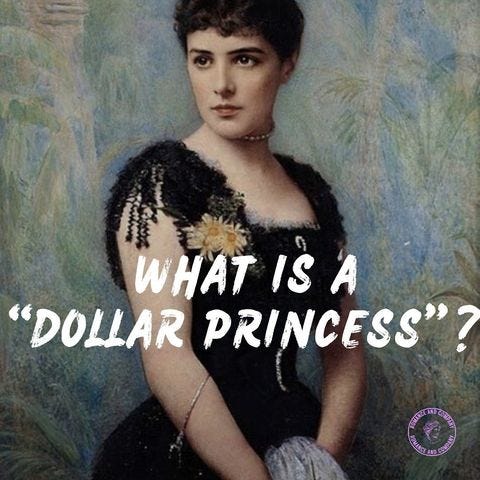
So what is a “Dollar Princess”?
Simply put, a "Dollar Princess" was a pejorative term for an American heiress on the hunt for a pedigreed husband in the UK or Europe.
Knickerbocker New York
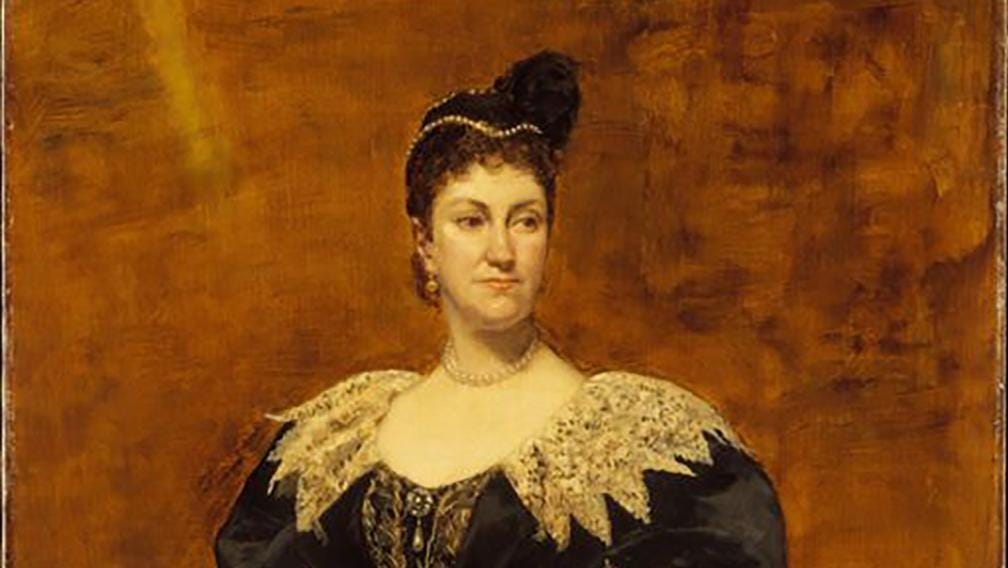
To grasp why these young women sought husbands abroad, we need to understand postbellum New York. By the 1860s, New York had become the country's social capital, with the Knickerbockers reigning supreme. Descendants of the original Dutch colonists, they prided themselves on being the guardians of Old New York. Their version of pleasure rivaled that of the Puritans, equating conformity with godliness. Without a title or official hierarchy, their social standing was more tenuous than their European counterparts, requiring more robust defenses. As a result, the New World was far more anxious about the arrival of new money than the Old World.
In the 19th century, fortunes were made seemingly overnight. These successful businessmen and their families flocked to New York, believing their newly minted millions would grant them entry into society. To the Knickerbocker elite, however, these new arrivals were akin to barbarians at the gate. New York society closed ranks, spurning the newcomers as upstarts who didn’t appreciate the understated elegance of repression. While these families might have reached the City, they remained on the periphery, and their daughters faced slim prospects of marrying into Old New York.
The American Dream… of Europe
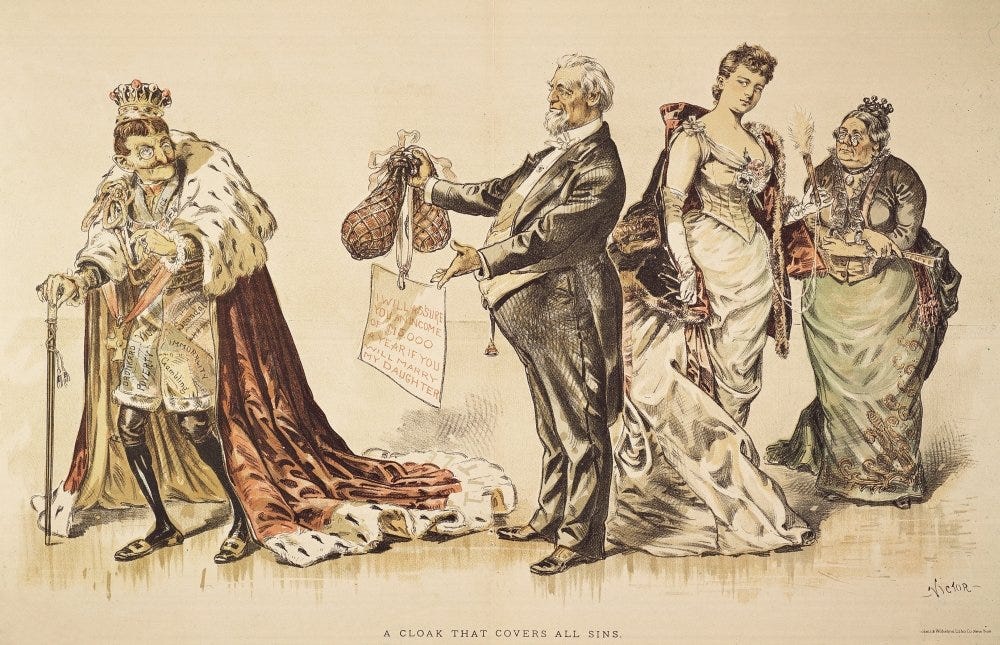
So, what was a pretty young heiress to do? Retreat to the Midwest, tail between her legs? Spend her time dreaming of unattainable balls? Ultimately, it didn’t matter much what the heiress thought to do, as it wasn’t up to her. Her mother, however, was not easily deterred. The American Dream for the wives of wealthy industrialists was to see their daughters surpass them on the social ladder, but that would not happen on Mrs. Astor’s watch. Once domestic society proved impenetrable, ambitious mothers set their sights higher: the titled elite of Europe. After all, what was a Boston Brahmin compared to a British Baron?
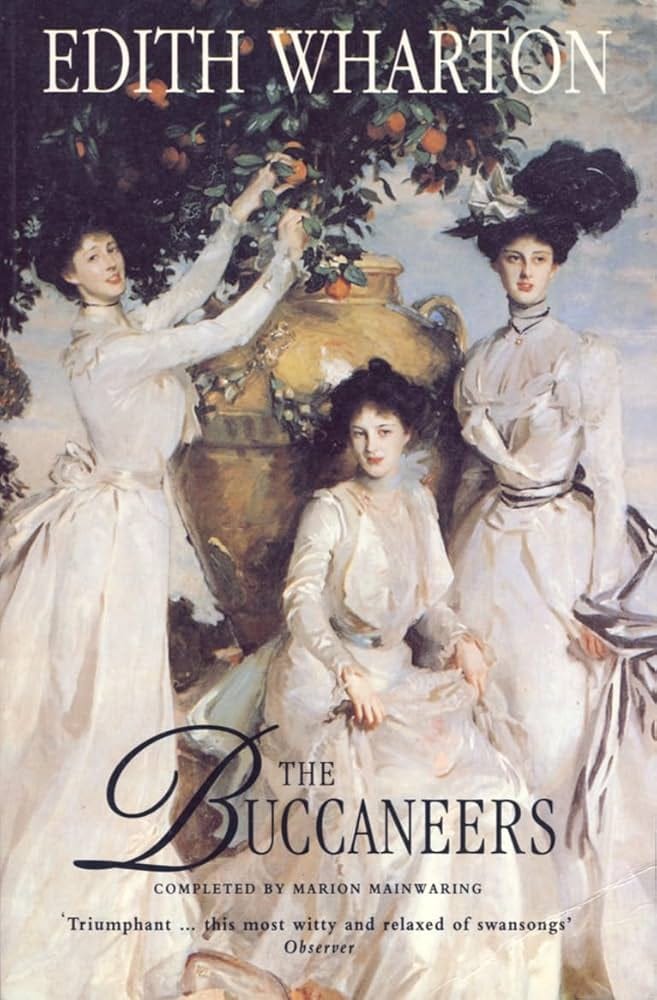
Three young heiresses are credited with starting the International Marriage trend: Jennie Jerome, Consuelo Yznaga, and Minnie Stevens, who inspired Edith Wharton’s thinly veiled novel The Buccaneers. Upon their arrival in London, they were deemed dazzling and beautiful, far from the ‘half horse, half alligator*’ some British aristocrats had expected. Upon gaining the Prince of Wales’ favor, each found success in the form of a high society spouse, though how successful the marriages were is certainly open to debate.
*Price Collier, American journalist
Dirty Bertie
Prince Albert Edward, a.k.a. Bertie, the Prince of Wales, was a notorious hedonist who delighted in mingling with anyone outside the staid British peerage. His parents, Queen Victoria and Prince Albert, fearing negative influences, kept him under strict and sheltered upbringing. He rebelled by seeking pleasure and socializing with ‘the fashionable set.’ He found American women refreshingly bold, as they were raised to believe their thoughts and opinions worth sharing. Bertie took a particular interest in the Buccaneers, personally involving himself in their marriage prospects and later, their marriage beds.
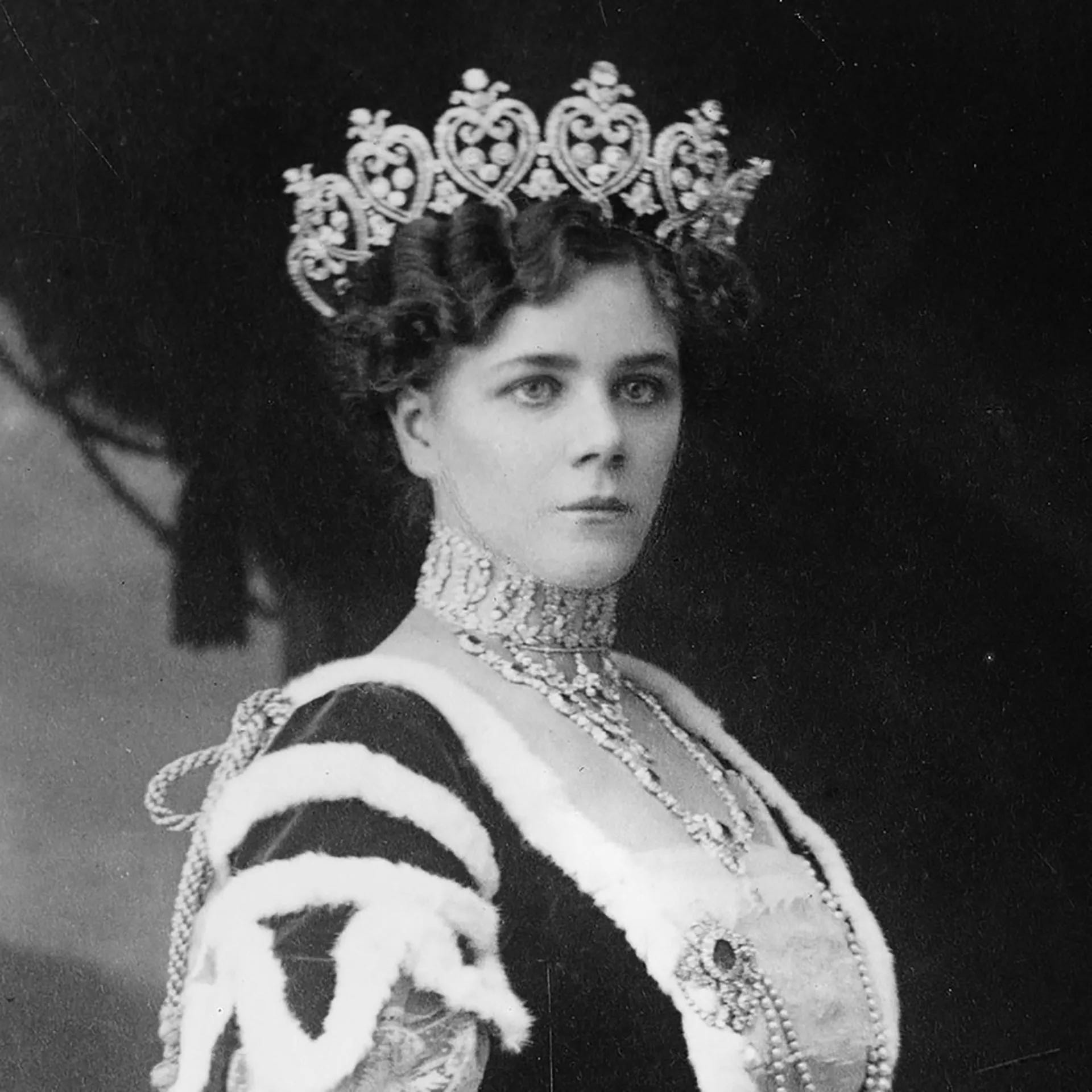
“Bertie took one look at the green-eyed Minnie Stevens, the luscious Consuelo Yznaga, the entrancing Jerome girls — and all doors opened before them.” - To Marry an English Lord
Transatlantic Marriage Pipeline
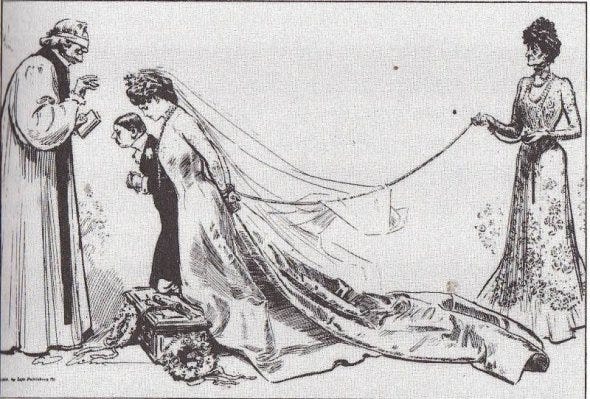
Thanks to the warm welcome from the Prince of Wales and a seemingly endless supply of American heiresses, the Transatlantic Marriage Pipeline was established. Pretty nobodies from across the United States set out to London to snare their catch. International Marriage even became a cottage industry. American peeresses often acted as sponsors to new arrivals in exchange for lavish gifts. These social godmothers weren’t always motivated by altruism, frequently pairing naive heiresses with cosmopolitan peers needing funds.
However, the real social godmother was Bertie. He played a key role in introducing American debutantes to the London Season and orchestrated numerous marriages. Whether this was a modern form of droit du seigneur remains unclear, but certainly in the realm of possibility. Bertie did have a habit of sleeping with the wives of his close friends, but whether it happened before or after the nuptials is undetermined. However his favor was bestowed, he championed the American heiress amongst the peerage, clearing the path for numerous Anglo-American unions.
Finding a Dollar Prince
By the close of the century, American sentiment had shifted against International Marriages. What once symbolized America's ascendance on the global stage began to seem like an unfavorable transaction. It was no longer necessary to marry into social standing. New York had long fallen to the nouveau riche. Having a louche aristocrat as a son-in-law had lost its cachet. Self-made industrialists grew weary of subsidizing family estates across the ocean. The American public, press, and patriarchy no longer sought validation from the aristocracy. They wanted daughters of America to stay in America. Thus closing the Transatlantic Marriage Pipeline. But don’t worry! While the poor peer was left to mold in his once grand house, the Dollar Princess married her Dollar Prince and lived wealthily ever after.
Hear from the Experts:
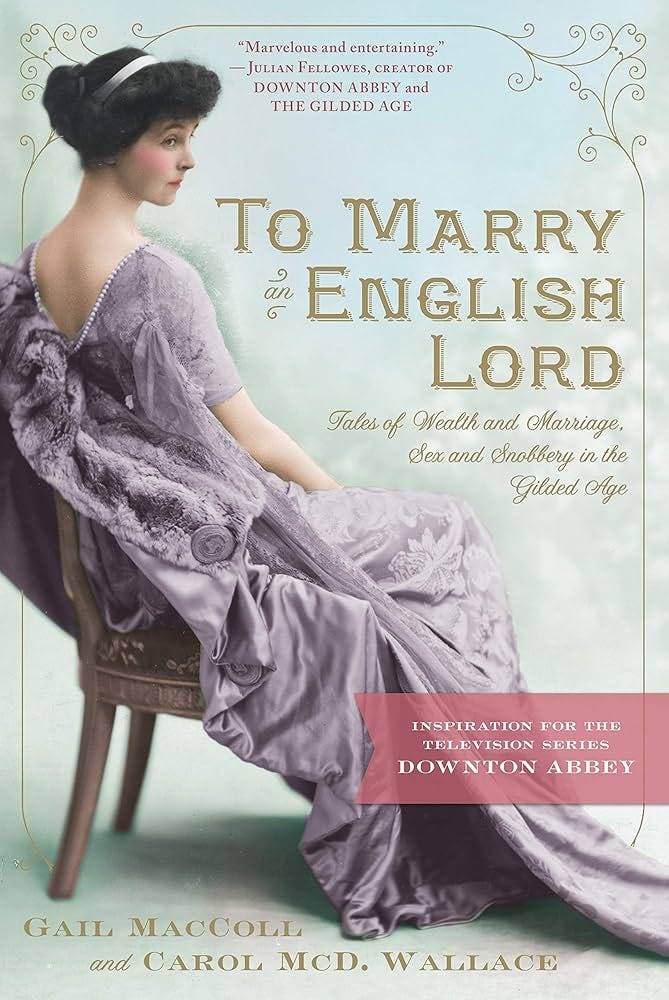
To Marry an English Lord by Gail MacColl and Carol McD. Wallace
Discover the true stories behind the women who inspired DowntonAbbey and NBC’s The Gilded Age, the heiresses—including a Vanderbilt (railroads), a LaRoche (pharmaceuticals), and a Rogers (oil)—who staked their ground in England, swapping dollars for titles and marrying peers of the British realm. Filled with vivid personalities, grand houses, dashing earls, and a wealth of period details and quotes on the finer points of Victorian and Edwardian etiquette, To Marry an English Lord is social history at its liveliest and most accessible. Sex, snobbery, humor, social triumphs (and gaffes), are all recalled in marvelous detail, complete with parties, clothes, scandals, affairs, and 100-year-old gossip that’s still scorching.
The Dollar Princess Romanticized
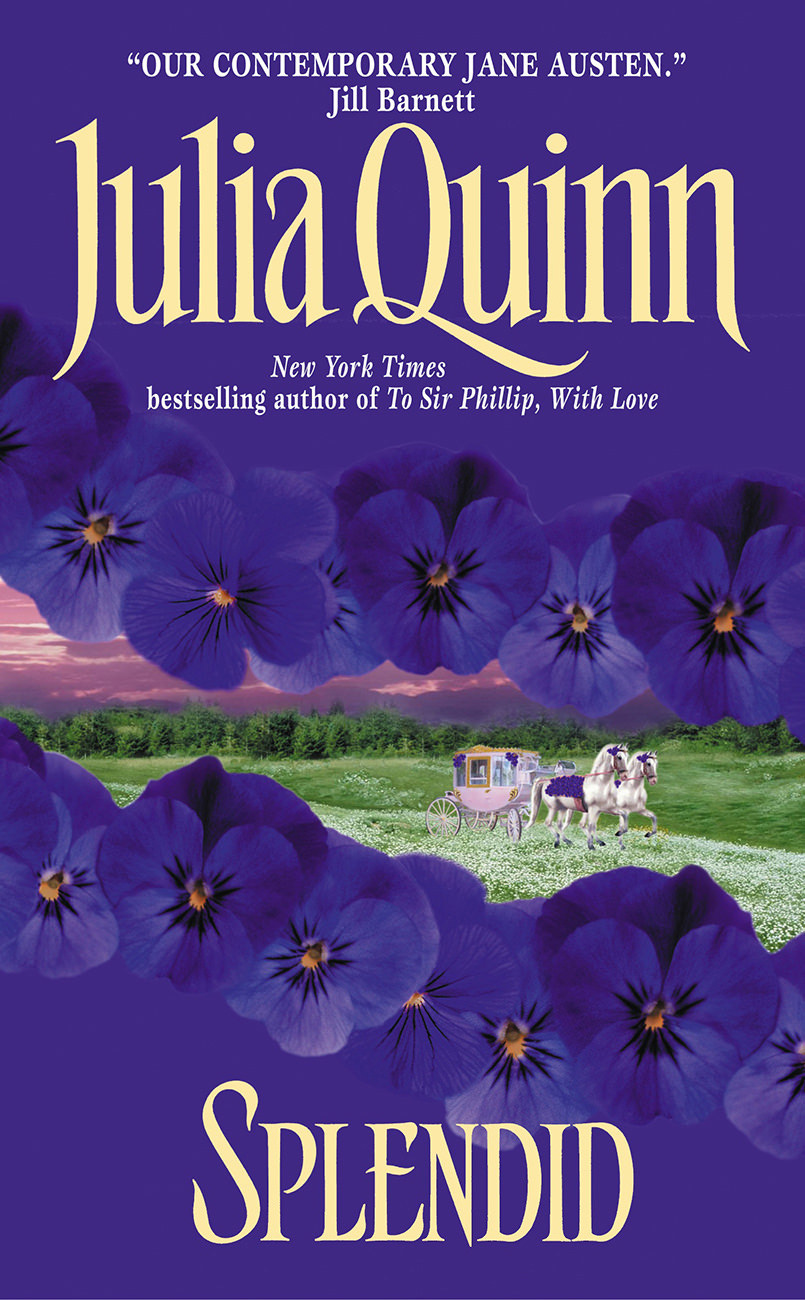
Splendid by Julia Quinn
There are two things everyone knows about Alexander Ridgely. One, he's the Duke of Ashbourne. And two, he has no plans to marry anytime soon...That is until a redheaded American throws herself in front of a carriage to save his young nephew's life. She's everything Alex never thought a woman could be—smart and funny, principled and brave. But she's a servant, completely unsuitable for a highborn duke—unless, perhaps, she's not quite what she seems...
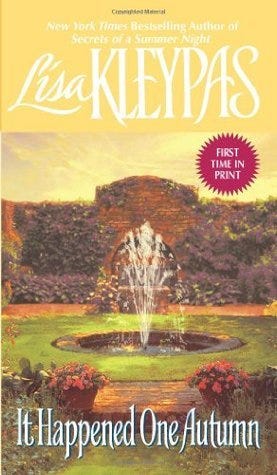
It Happened One Autumn by Lisa Kleypas
It happened at the ball. Where beautiful but bold Lillian Bowman quickly learned that her independent American ways weren't entirely "the thing." And the most disapproving of all was insufferable, snobbish, and impossible Marcus, Lord Westcliff, London's most eligible aristocrat.
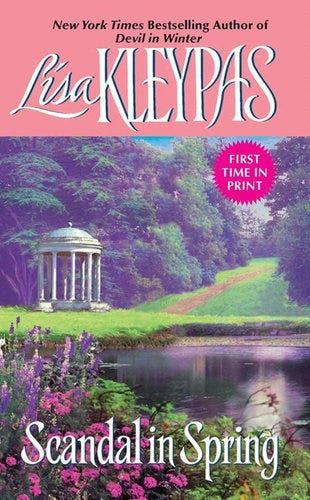
Scandal in Spring by Lisa Kleypas
An unexpected desire. Quirky and fun-loving American heiress Daisy Bowman is the last unmarried Wallflower. Her exasperated father has informed her that if she can’t find a husband by the end of her third London season, she will be forced to marry a man she hates—the ruthless entrepreneur Matthew Swift.
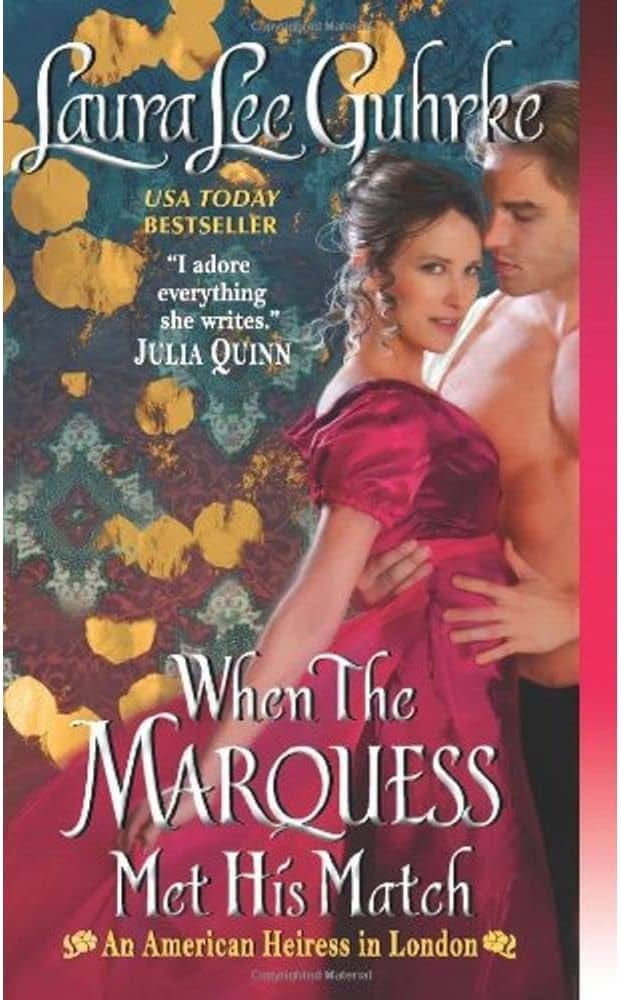
When the Marquess Met His Match by Laura Lee Guhrke
Every new-money American heiress knows Lady Belinda Featherstone is the key to social acceptance. Once a new-money nobody herself, Belinda discovered first-hand how heartbreaking the game of love and matrimony could be after a reprobate British earl married her for her money. Now a respectable widow, Belinda has become England’s most successful matchmaker, guiding young American heiresses through the hazards of the London season and helping them to find husbands worthy of them. To her mind, the Marquess of Trubridge is nothing but a fortune-hunting scoundrel and she has no intention of allowing him to charm his way into any American girl’s heart, including her own.
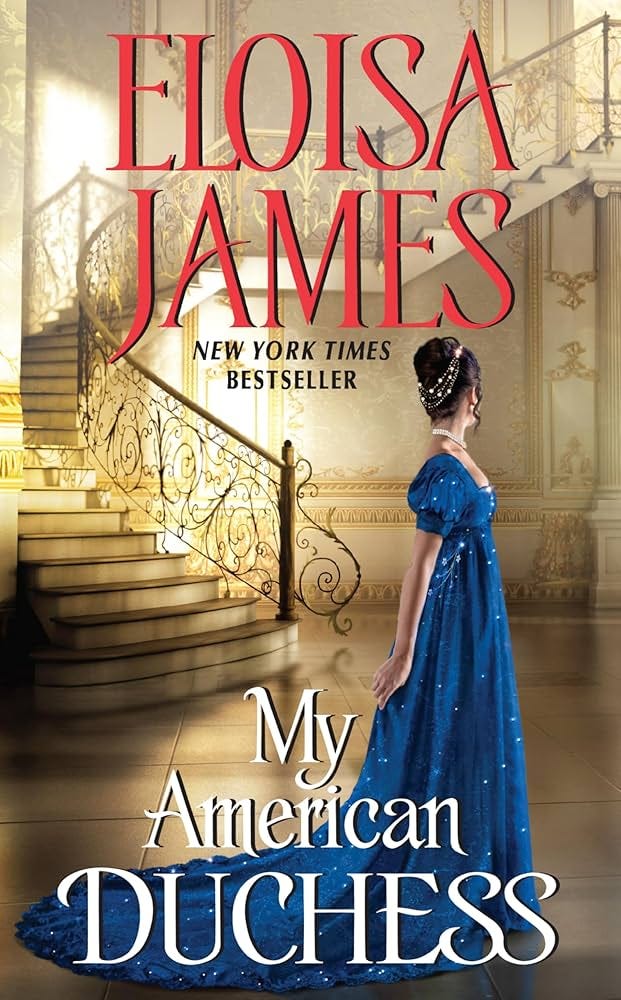
My American Duchess by Eloisa James
The arrogant Duke of Trent intends to marry a well-bred Englishwoman. The last woman he would ever consider marrying is the adventuresome Merry Pelford - an American heiress who has infamously jilted two fiancés.